INCONGRU MAGAZINE
Film
Is Peaky Blinders at the peak of diversity in film?
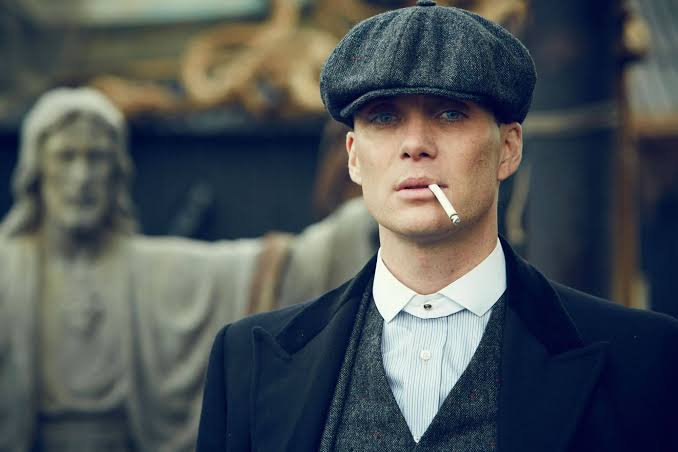
The legendary television franchise Peaky Blinders has reportedly amassed a staggering 75 million streams on Netflix. Its sequel, Peaky Blinders: The Immortal Man, likewise accumulated 25.3 million streams on its opening night alone.
Needless to say, this staggering success is owed to the show’s excellence in various areas. Perhaps the most prominent of these, as its creator and writer, Steven Knight, has noted, is the fact that the franchise was born out of his imagination.
Knight explained that Peaky Blinders was, in fact, his own interpretation of what Birmingham in the early 1920s might have looked like, based on stories his parents had told him about the period.
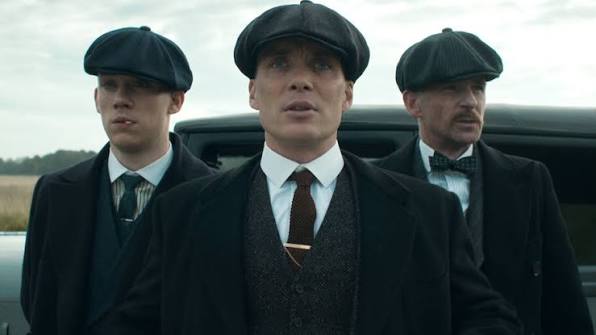
This, precisely, is what sold the audience. However, for a show set in Birmingham in the 1920s, one might reasonably expect questions about how racial diversity would be handled.
Even shows set in modern times continue to struggle with representation, often receiving major backlash over the absence of characters from diverse backgrounds. Yet many fans of Peaky Blinders have seemingly expressed satisfaction with the show’s approach to diversity.
Why?
Considering how difficult it can be to navigate issues of character diversity when writing and producing television shows, let alone one set in 1920s Birmingham, how is it that a show set against a backdrop of significant racial tension has managed to earn such approval from its audience?
For one, many viewers have attributed this success to the use of various approaches to characterisation.
One such approach is:
- Happens to Be
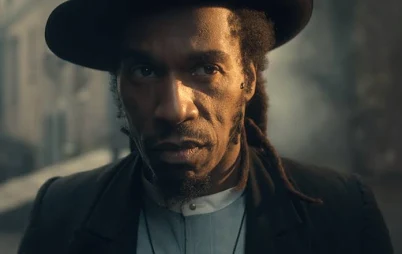
It is a familiar phenomenon, often despised by viewers and frequently attributed to a lack of understanding on the part of writers: the tendency to give a character of colour a storyline that revolves almost entirely around their skin colour.
In such instances, it seems as though the character is playing their race rather than simply being a character. Written without sufficient understanding, the character often appears to be living life through the imagined lens of another individual.
The experiences this character has seem almost entirely based on what the general public expects someone of their background to experience. There is little that feels peculiar or individual about them.
Although, at the surface level, these characters might appear to have a storyline, it can be difficult for audiences to relate to, admire or even like them as individuals.
How, then, did Peaky Blinders escape this trap?
One of the ways the show achieved this, as many viewers have described it, is through what is known as the “happens to be” approach.
“Happens to be” describes a form of writing in which a character from a minority background is written as a human being who just happens to belong to that background.
Unlike other forms of writing, where a character appears to embody their race, economic class or background, living only the kind of life that someone from a different background imagines them to be living, “happens to be” writing makes their background secondary to their character.
However, this does not mean that a character’s background, race or class is irrelevant or has no influence on their life. Rather, it means that the peculiarities of the human experience remain the primary consideration when such a character is written.
To better illustrate this, let us consider the character of Jeremiah Jesus in Peaky Blinders.
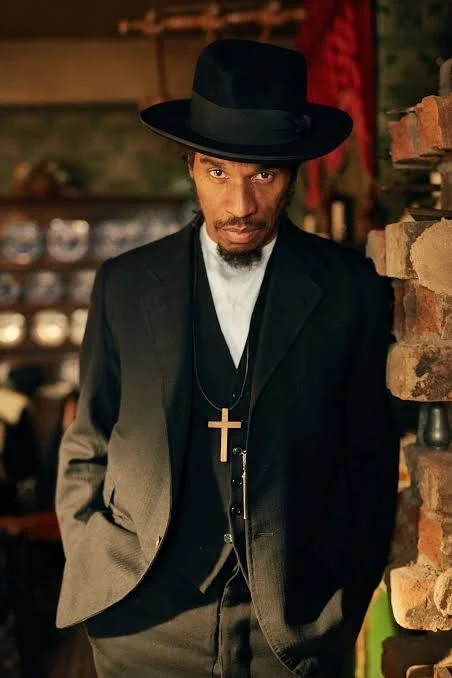
Jeremiah was a pastor, albeit a crooked one, a friend to the Shelbys and a fiercely loyal mercenary. At a time when racial tensions were significant, despite all these dimensions of his character, his race remained one of the most immediately visible aspects of his identity to the society around him.
How, then, is it that, despite racial tension being so heavily depicted throughout the show, Jeremiah Jesus’s race, although central to how society perceived him during the period in which Peaky Blinders is set, does not overshadow his character in the eyes of the audience?
This is also exemplified in the character of Polly Gray.
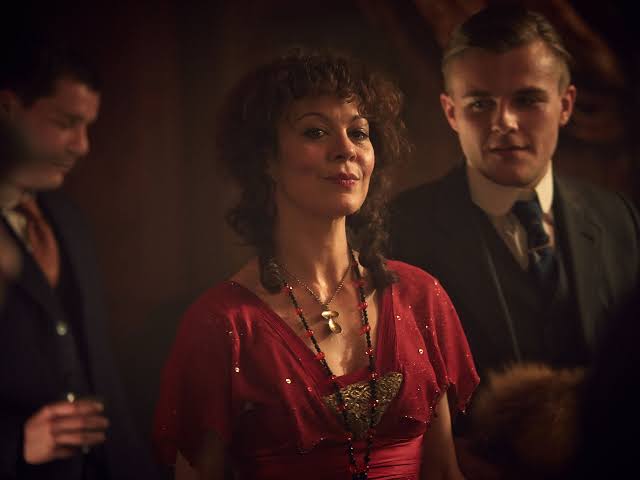
Polly, the aunt of the Shelby brothers and one of the minds behind their exploits, was also significantly affected by the sexism of the period, frequently expressing her frustration with the limitations imposed on her as a woman.
Yet her character was never reduced to her experiences of sexism. Her intelligence, ambition, authority and involvement in the family’s affairs remained central to how audiences understood her.
The question, then, remains: how has a show set against a backdrop of historical discrimination managed to approach diversity in ways that many modern-day productions continue to struggle with?
Chidinma Ezenwa is a Nigerian law student, writer, and the founder and editor-in-chief of Incongru magazine. Her writing and editorial work explore identity, race, culture, and the structural forces shaping human agency and belonging. Beyond Incongru, she leads Ambiwoman, a women-centric initiative dedicated to expanding opportunities for young women. Through her practice, she is committed to creating spaces that question conventional assumptions and foster more complex, nuanced ways of seeing the world.